
Buyer’s Guide
What a Playa Flamingo Condo Investment Really Comes Down To Before You Buy
Playa Flamingo’s condo market rewards buyers who look past the balcony. Title status, HOA finances, and documented rental history decide whether a unit holds up — long after the view stops being the story.
Gina Briguglio · July 15, 2026
An ocean view sells itself. The rest of the purchase does not. Buyers drawn to Playa Flamingo—one of the North Pacific’s more established coastal destinations—tend to picture the balcony first and the paperwork never. People come here for different reasons: a personal vacation base, a seasonal residence, a full relocation, short-term rental use, or long-term ownership on a coast they’ve grown attached to. Whatever the motivation, the condo that photographs beautifully isn’t always the one that holds up under scrutiny. Approached as a Playa Flamingo real estate investment, a unit earns its place through title work and numbers, not the view alone.
For broader context, Costa Rica recorded $5.1218 billion in foreign direct investment inflows by the end of 2025, surpassing the $5 billion mark for the second consecutive year, according to PROCOMER citing Central Bank of Costa Rica data. PROCOMER also reported that real estate FDI grew 20.2% in 2025. Those national figures describe a broader investment climate; they do not guarantee that any single Playa Flamingo condo will appreciate, rent consistently, or outperform the market.
Quick Buyer Checklist
Before buying a Playa Flamingo condo, review the basics first: title status, HOA rules, monthly fees, rental restrictions, documented rental history, access to the beach and marina, physical condition, water service, utilities, and total carrying costs.
Why Buyers Consider Condos in Playa Flamingo
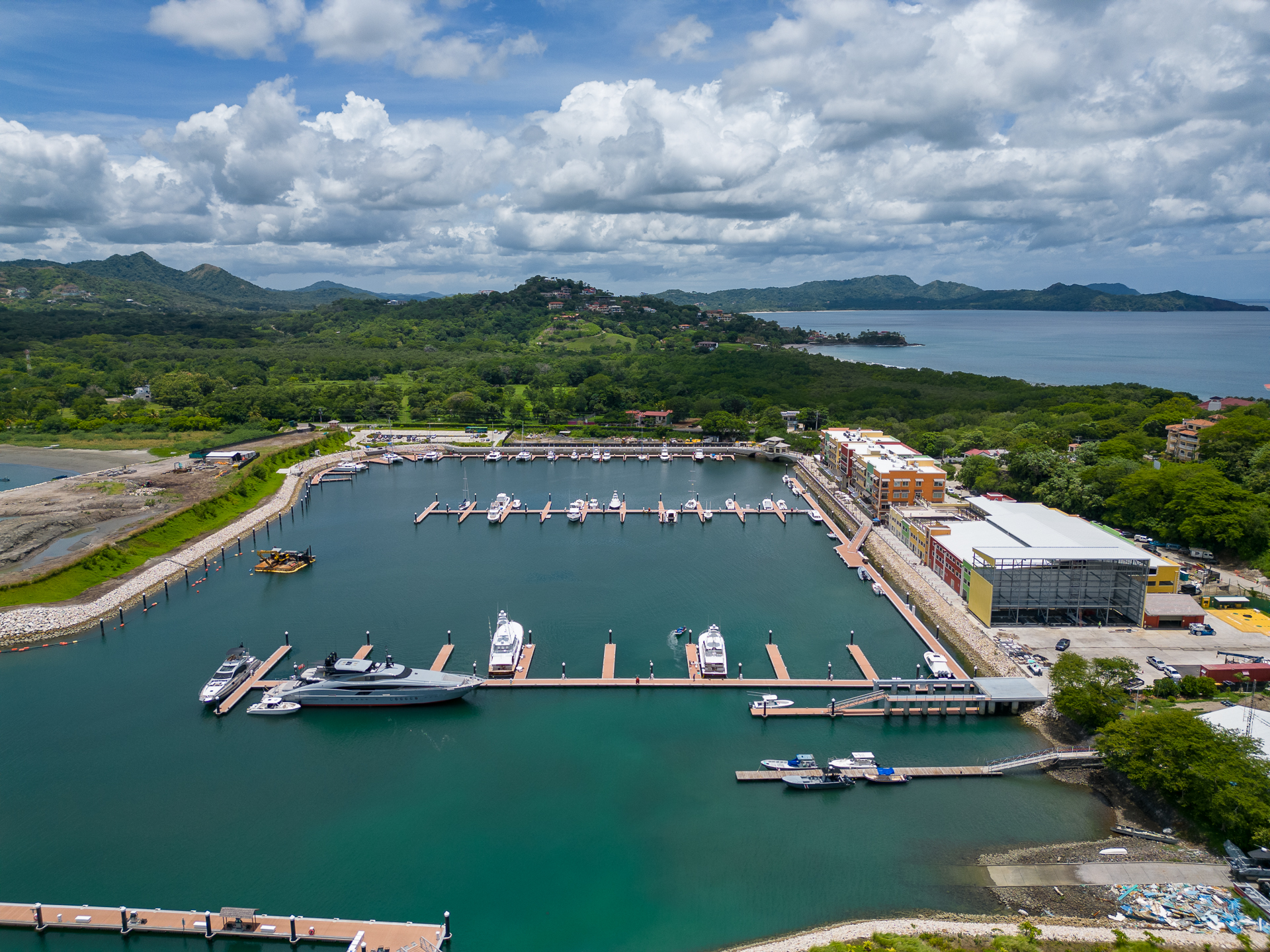
Playa Flamingo has been on the map for decades, and that maturity is part of the appeal. The beach remains the anchor, but the surrounding fabric—restaurants that stay open year-round, a working marina, provisioning within reach—gives the area a steadiness newer coastal pockets haven’t earned yet.
Condos add a second layer of appeal. Ownership tends to be lower-maintenance than a standalone home, since much of the upkeep—pools, landscaping, security, common areas—is handled collectively rather than falling on one owner. Shared amenities come with the territory. A well-positioned unit can serve two purposes at once: a place to use personally and a property that may generate rental income when it sits empty.
Supply matters too. Genuinely well-located, ocean-view units are limited, and that scarcity shapes what buyers can find. None of this guarantees rapid appreciation or strong returns. A good address is a starting point, not a financial outcome.
Location Matters More Than the Playa Flamingo Address
Beach and Marina Access
“Close to the beach” is a marketing phrase, not a measurement. Before trusting an advertised distance, walk the actual route to Playa Flamingo Beach, Marina Flamingo, the restaurants, the shops, and the grocery options you’d use week to week.
Terrain changes everything here. A unit listed as five minutes from the sand can involve a steep hill, an unlit road, or a flight of stairs that feels very different in the afternoon heat or after dark. Consider road conditions, lighting, parking, and whether you’ll need a vehicle for daily errands. Walkability can make personal stays more pleasant and may widen a rental’s guest appeal, especially for visitors who arrive without a car. Convenience is real; a guaranteed revenue bump is not.
Elevation and Ocean Views
An ocean-view condo in Costa Rica offers advantages ground-level units can’t match. Elevated units often capture Pacific Ocean and bay views, catch natural airflow, gain a measure of privacy, and sit in the path of the sunset.
Trade-offs are just as concrete. Elevation usually means stairs, steeper access roads, and harder pedestrian routes—factors that matter more for some buyers than others, particularly anyone with mobility limits or guests who have them. The strongest position balances the view against the daily reality of getting to and from the door.
In Playa Flamingo, the best ocean views often come with trade-offs buyers should physically test. North Ridge locations, for example, can offer stronger Pacific and bay views, but access, stairs, slope, parking, and nighttime walkability may matter just as much as the view itself.
What Makes a Playa Flamingo Condo Investment-Ready?
Furnished and Turnkey Condition
A furnished condo can shorten the runway to personal use or rental readiness, sparing you the cost and delay of outfitting an empty unit. That convenience is only worth it if what’s included actually works.
Inspect the furniture, appliances, and air-conditioning systems. Look closely at the kitchen, plumbing, windows, and doors. Confirm internet service, and get the included inventory in writing. Turnkey is a condition to verify, not a claim to accept on trust—and it says nothing on its own about how the price compares to building new.
A Practical Floor Plan
Two-bedroom layouts tend to suit a wide range of buyers: couples, small families, two couples traveling together, seasonal residents, and remote workers who need a room to close the door on. Bedroom count alone tells you little, though. How the space actually functions carries just as much weight—storage, the number of bathrooms, usable balcony space, and general flow determine whether a unit feels comfortable or cramped once real life moves in.
Predictable Shared Expenses
An HOA can make ownership genuinely simpler by coordinating pool care, landscaping, security, common-area maintenance, building administration, and, in some cases, shared insurance. That structure is a benefit—provided you know what you’re paying for. Read the fee breakdown before assuming anything. Two condos with similar monthly dues can cover very different things, and the gap usually surfaces only when something breaks.
Costs Buyers Should Calculate Before Purchasing
The purchase price is the headline. It’s rarely the whole bill. A realistic budget accounts for legal and closing costs, HOA fees, municipal property tax, insurance, electricity, internet, ongoing repairs and maintenance, property management, cleaning and guest services, eventual furniture and appliance replacement, and any corporate or accounting costs tied to how you hold title.
Costa Rica’s ordinary municipal property tax is generally calculated at 0.25% of the value registered with the municipality—a figure that can differ from what you actually pay for the unit. Closing costs are harder to pin to a single percentage, because they shift with the transaction and the ownership structure. Rather than rely on a rule of thumb, ask your Costa Rican attorney for a written transaction estimate specific to your purchase. If you plan to rent short-term, factor in that such stays can fall under Costa Rica’s 13% value-added tax, depending on the arrangement and its tax treatment.
Rental Income Should Be Verified, Not Assumed
Rental performance isn’t a property feature. It’s an outcome shaped by many moving parts: exact location, view, the number of bedrooms and bathrooms, condition, photography quality, guest reviews, pricing, seasonality, management, the dates an owner blocks for personal use, local competition, and the HOA’s own rules on renting.
Any Costa Rica vacation rental property lives on documented numbers, not stated ones. Because so much sits behind a headline number, ask for the records. Twelve to twenty-four months of booking history, gross rental income, occupancy, average nightly rates, management statements, utility bills, maintenance expenses, owner-use dates, platform fees, and relevant tax information all belong in the conversation before you rely on any stated performance.
Keep three numbers distinct. Gross booking revenue is what guests pay. Operating profit is what remains after the property’s running costs. Net owner income is what actually reaches you. A strong top line can shrink considerably by the time it clears every deduction, so treat any single figure with healthy skepticism until the documentation backs it up.
Legal and HOA Due Diligence
Confirm Titled Ownership
Foreign buyers can generally own fee simple titled property in Costa Rica, either personally or through a Costa Rican legal entity. That right doesn’t remove the need for verification. A Costa Rican attorney and notary should confirm the registered owner, the title itself, and any liens, mortgages, easements, parking rights, storage rights, and tax status attached to the unit.
Understand Coastal Concession Property
Costa Rica’s Maritime Terrestrial Zone generally reaches 200 meters inland from the ordinary high-tide line. The first 50 meters are public-use land. The next 150 meters can fall under concession rules rather than standard ownership. Proximity to the water doesn’t automatically make a condo concession property—but it does make independent verification of the title status essential.
Review the Condominium Documents
Ask to see the HOA bylaws, rental restrictions, pet rules, financial statements, annual budget, reserve funds, and meeting minutes. Insurance coverage, pending assessments, planned repairs, and any owner delinquencies deserve the same attention. A healthy set of records tells you more about long-term cost than the monthly fee ever will.
Verify Water and Utilities
Confirm that the unit has legal water service, and check the status of its utility accounts. Water pressure, electricity history, internet availability, and any infrastructure restrictions affecting the specific unit are worth pinning down before closing, not after.
A Real-World Playa Flamingo Condo Example
Property Spotlight
Punta Plata 513
Punta Plata 513 offers one example of how these criteria come together in a single unit. Listed at $499,000, it’s a two-bedroom, one-bathroom condo of roughly 760 square feet, furnished and updated inside, with a private balcony framing Pacific Ocean and Potrero Bay views. The unit sits within a gated complex on Playa Flamingo’s North Ridge, shares a swimming pool, and carries an HOA fee of $278 per month. Direct stair access from the complex leads toward a quiet bay-side cove. Its short-term rental history is reported, and a buyer would confirm it through documentation.
Read as an illustration rather than a pitch, the listing shows the checklist in practice: a defined location, a stated fee, a specific layout, and a rental history that invites verification rather than assumption.
Is a Playa Flamingo Condo Right for You?
A condo here can fit a range of goals—a manageable coastal residence, ocean views, easy reach to beaches and services, seasonal personal use, potential rental income, and less upkeep than a detached villa demands. Fit depends on which of those matters most to you.
One point is worth holding onto. The best purchase is rarely the unit advertising the highest rental projection. More often it’s the one with a defensible location, clear title, healthy HOA finances, manageable expenses, sound physical condition, and a layout that matches how you actually intend to use it.
Buyers comparing Playa Flamingo condos for sale should review the property’s title, HOA records, operating expenses, physical condition, and documented rental history before making a decision.
Frequently Asked Questions About Buying a Condo in Playa Flamingo
Can foreigners buy condos in Playa Flamingo?
Yes. Foreign buyers can generally purchase fee simple titled property in Costa Rica under their personal name or through a Costa Rican legal entity. A Costa Rican attorney should verify the title and ownership structure before closing.
Is Playa Flamingo a good location for a vacation rental?
Playa Flamingo draws vacationers interested in beaches, boating, restaurants, and North Pacific coastal activities. A condo’s rental potential still depends on its precise location, condition, view, layout, pricing, management, and documented booking history.
What expenses come with owning a condo in Playa Flamingo?
Costs can include HOA fees, property tax, insurance, electricity, internet, maintenance, property management, cleaning, accounting, and furniture or appliance replacement.
What should I check before buying a Costa Rica condo?
Review the title, liens, HOA bylaws, financial statements, reserves, insurance, rental restrictions, water connection, utility history, physical condition, parking rights, taxes, and any pending special assessments.
Are all properties near Playa Flamingo Beach titled?
No. Coastal properties can have different legal structures. Have an attorney confirm whether a specific property is fee simple titled or governed by concession rights within the Maritime Terrestrial Zone.
How can I verify a condo’s rental income?
Request actual booking records, management statements, occupancy reports, nightly rates, platform fees, utility bills, maintenance expenses, and owner-use dates. Rental projections shouldn’t replace documented performance.
Are ocean-view condos better investments than beachfront condos?
Not automatically. Ocean-view condos may offer privacy, elevation, and broader views, while beachfront condos may provide easier beach access. Purchase price, accessibility, operating costs, condition, and rental history all deserve weighing.
Written or Reviewed By
 |
Gina Briguglio Licensed Realtor · Costa Rica Real Estate CR Gina specializes in Playa Flamingo, Playa Potrero, Surfside, Brasilito, and Guanacaste coastal real estate, guiding international buyers through title verification, HOA due diligence, and documented rental performance. View profile → |
Disclaimer
This article is for general real estate education only and should not be treated as legal, tax, accounting, or investment advice. Buyers should consult a Costa Rican attorney, accountant, and qualified advisors before purchasing property.
Sources
- PROCOMER, “Costa Rica surpasses $5 billion in FDI for the second consecutive year,” citing Banco Central de Costa Rica (BCCR), April 2026.
- PwC Worldwide Tax Summaries, Costa Rica — Other taxes (annual municipal property tax of 0.25% of the value registered with the municipality, under Ley N.° 7509).
- PwC Worldwide Tax Summaries, Costa Rica — Other taxes (standard value-added tax rate of 13%, under Ley N.° 9635).
- U.S. Department of State, 2025 Investment Climate Statement: Costa Rica (Maritime Terrestrial Zone / Zona Marítimo Terrestre, Ley N.° 6043).