
Lifestyle & Market Guide
The Best of Both Worlds: Living Near Tamarindo Costa Rica Without the Tourist Crowds
Tamarindo anchors Guanacaste’s North Pacific coast. Its surf, dining, and services draw buyers from everywhere. The smartest address, though, may sit 15 to 30 minutes inland.
Daniel Graika · July 4, 2026
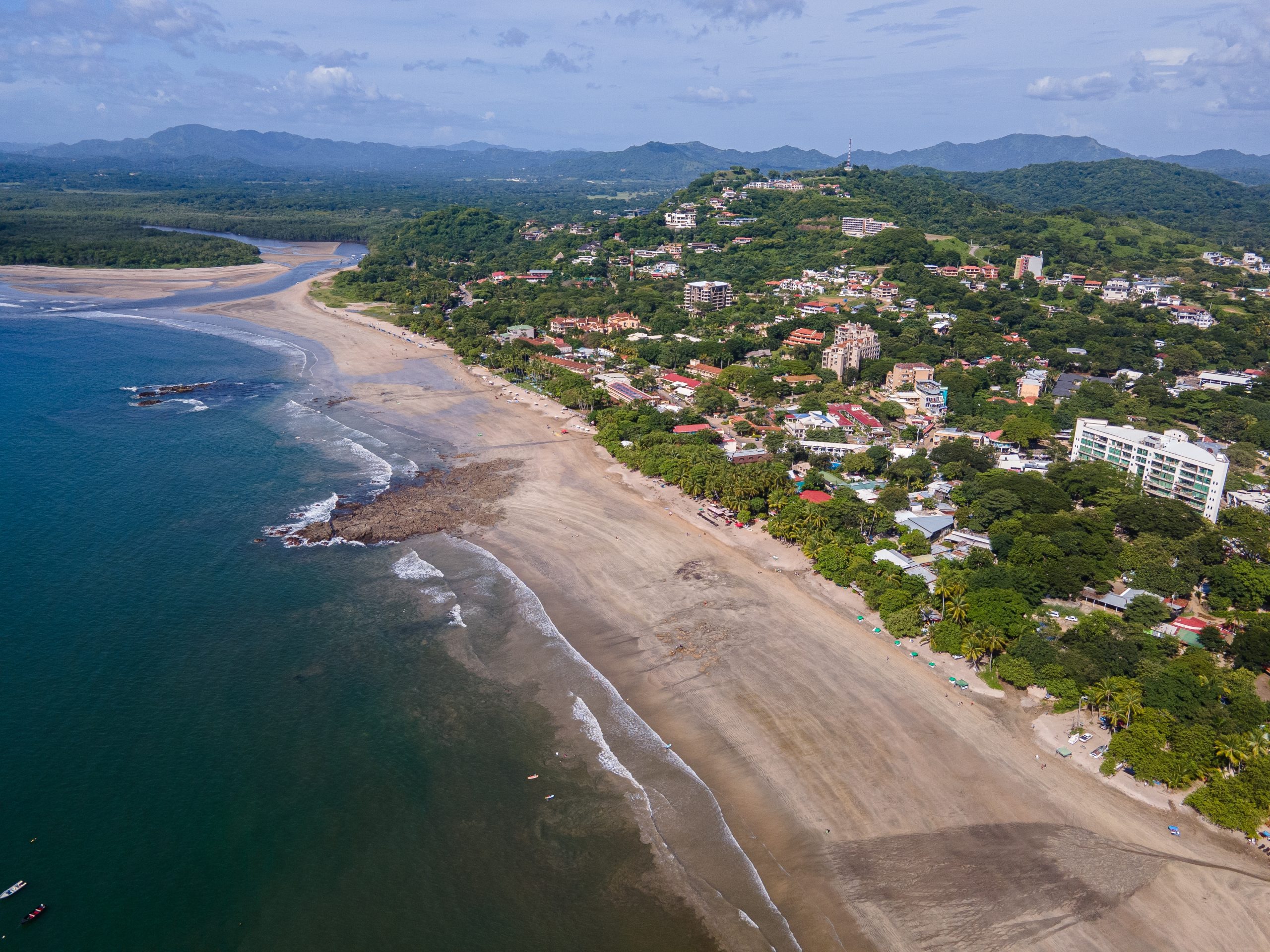
Ask almost anyone who has spent time on Guanacaste’s North Pacific coast. They’ll tell you the same thing: Tamarindo is the town everyone knows, and for good reason. The surf is consistent. The restaurants are genuinely good. Nearly everything you need for daily life sits within a few kilometers of the beach. But maybe you’ve started researching living near Tamarindo Costa Rica without the crowds. If so, you’ve already sensed there’s a smarter way to enjoy all of it.
You don’t have to live in Tamarindo to live with Tamarindo.
It’s what fewer people say out loud — and it’s exactly what a growing number of buyers are discovering. The sweet spot sits 15 to 30 minutes inland, in quieter communities like Tempate and Portegolpe. There, larger lots, more privacy, and a more residential pace of life come with the same coastline within easy reach.
This is a look at why that shift is happening, what inland living actually offers, and what to verify before you buy.
Why Tamarindo Remains One of Guanacaste’s Most Desirable Coastal Hubs
Let’s start with what Tamarindo gets right, because the case for living nearby only makes sense if the town itself is worth being near.
Tamarindo Amenities That Continue to Attract Buyers
Tamarindo is one of the most recognized beach towns in Costa Rica, and its infrastructure reflects decades of steady growth. Grocery stores, banks, medical and dental clinics, veterinarians, gyms, plus schools and international-school options within the broader Tamarindo-area region. The practical layer of daily life is well established here. Many smaller coastal villages simply can’t match it.
The Appeal of Surf, Dining, Shops, and Services
Then there’s the lifestyle layer. Tamarindo’s beach break is one of the most reliable learning and longboarding waves in the country. Nearby points serve more experienced surfers. The dining scene runs from beachfront ceviche to serious international kitchens. Boutiques, surf shops, farmers markets, nightlife — it’s all walkable. It’s all part of why the Tamarindo lifestyle keeps drawing new residents year after year. It’s also why demand for Tamarindo real estate — and for homes within reach of it — stays consistently strong.
Why Tamarindo Still Anchors the North Pacific Lifestyle
For buyers considering Guanacaste coastal living, Tamarindo is the anchor. It sets the tone for the entire North Pacific coast Costa Rica is famous for. Even people who settle in Flamingo, Potrero, Brasilito, or the inland valleys tend to orbit Tamarindo. They come in for services, dining, and entertainment. Its name recognition also matters for anyone thinking about future resale or rental appeal anywhere in the surrounding region.
None of that is in dispute. The question is whether living directly inside the busiest part of a popular beach town is the right fit for you. For a meaningful segment of buyers, the honest answer is no.
The Challenge of Living Directly Inside a Busy Beach Town
Tourist Crowds and Seasonal Density
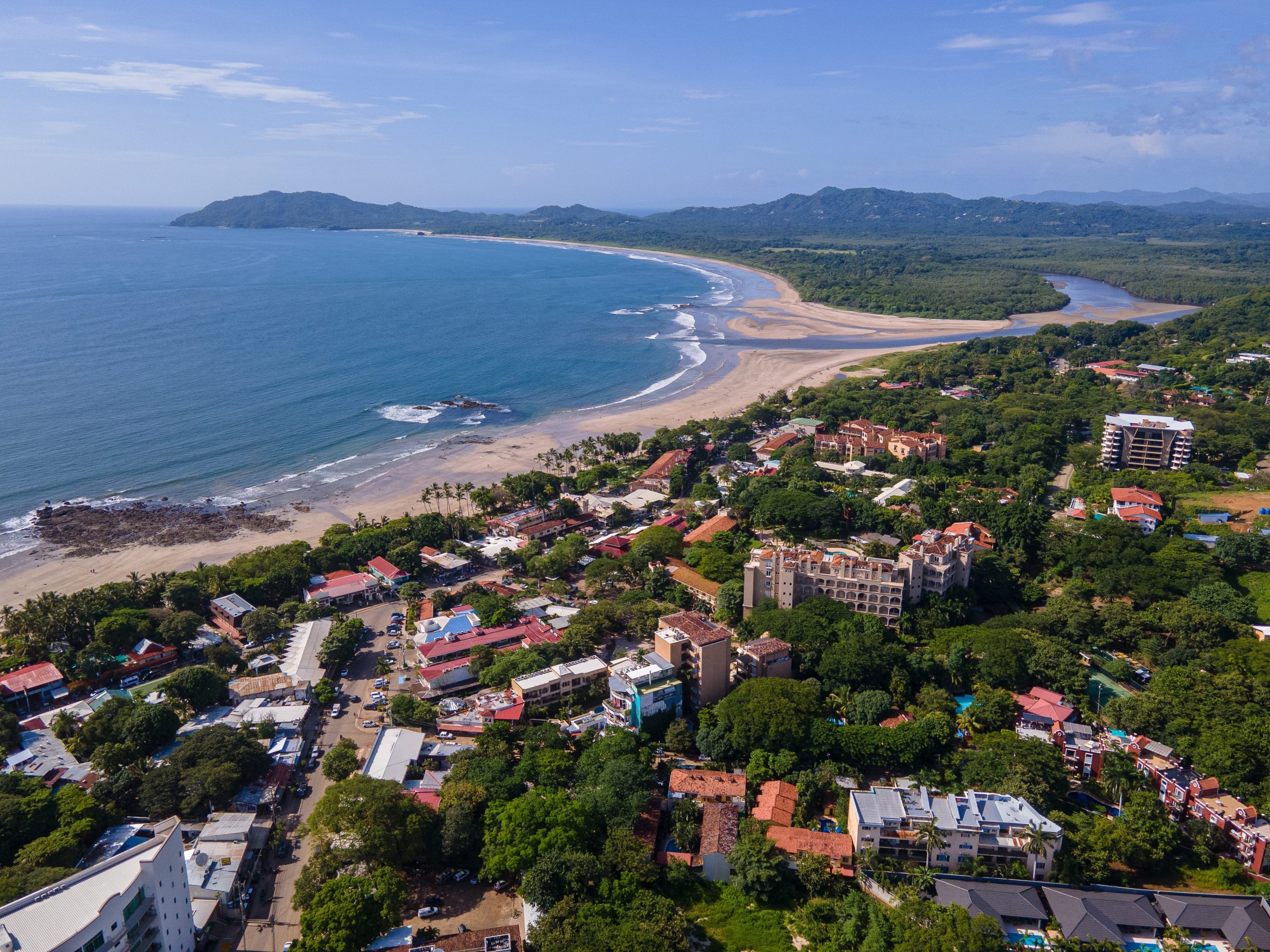
Popular beach towns get busy. During peak season, Tamarindo’s streets, restaurants, and beach fill with visitors. Traffic through the town center can slow to a crawl at predictable hours. For a week’s vacation, that energy is part of the fun. As a daily reality, it wears differently. Many full-time residents notice a pattern. What charmed them as tourists becomes the thing they most want a break from as homeowners.
Smaller Lots and Higher Price Pressure Near the Beach
There’s also a simple land-economics reality. Property close to a popular beach tends to command a premium. That premium usually buys proximity rather than space. In and around the town core, much of the inventory is condos and homes on compact lots. HOA fees and close neighbors often come with them. Outdoor space is harder to find here. A real garden, room for a pool with privacy, or land for future projects costs considerably more when it appears.
Why Some Buyers Want Access Without Daily Congestion
Put those two factors together and a clear buyer profile emerges. These buyers genuinely love the Tamarindo beach town experience. They just want to visit it on their own terms. They want the surf session, the sunset dinner, and the errands handled in one trip. Then they want to drive home to somewhere quiet. It’s why searches for quiet areas near Tamarindo and beach access without tourist crowds keep growing. For these buyers, the goal is simple: keep Tamarindo close, but make daily life quieter, more private, and more residential.
Why Buyers Are Looking 15 to 30 Minutes Inland from Tamarindo
The Rise of Inland Living Near Tamarindo
Over the past several years, more buyers in the Guanacaste real estate market have widened their search maps. They now look beyond the beachfront strip. Instead of comparing only town-center condos and beach-proximate homes, they’re evaluating inland properties near Tamarindo Costa Rica. These sit within a practical drive of the coast. The logic is straightforward. The beach may be 20 minutes away rather than two. In exchange, your home offers double or triple the land, real privacy, and a more residential setting.
Why Tempate and Portegolpe Are Gaining Attention
Within this inland belt, Tempate and Portegolpe come up more and more often in buyer conversations. The same pattern is repeating across the Guanacaste inland real estate segment as a whole. Both sit in the countryside between Tamarindo and the Flamingo–Conchal corridor, which means residents aren’t choosing between beaches — they’re centered among several. These communities have a more local, residential character. Quieter roads, larger parcels, mature trees, and a pace of life that feels distinctly different from the tourist core.
Beach Access Without Living in the Tourist Core
The key detail is that inland doesn’t mean remote. Much of the Tempate and Portegolpe area sits roughly 15 to 30 minutes from Tamarindo by car. Playa Conchal and Flamingo fall in a similar range, depending on the specific property and road conditions. Liberia International Airport access remains manageable as well. You keep the coast; you just stop living inside its busiest zone.
The Inland Lifestyle Advantage: More Space, More Privacy, More Flexibility
Avoiding crowds is only half the story. The other half is what inland homes near Tamarindo can offer that coastal inventory often can’t. Here, the inland choice starts to look less like a trade-off and more like an upgrade.
Larger Lots Near Tamarindo
Inland parcels in Guanacaste frequently run larger than anything comparable near the beach. Some are measured in thousands of square meters rather than hundreds. For buyers coming from markets where a quarter-acre feels generous, Guanacaste homes with land can be a genuine revelation. A true Costa Rica property with acreage changes how a home lives day to day. Real room between you and your neighbors makes the difference.
Private Land and Natural Surroundings
Many inland and hillside homes in Guanacaste sit among mature trees and natural landscaping, with the wildlife to match. Howler monkeys, parrots, and iguanas are regular neighbors in these areas. Some elevated inland settings may also benefit from better airflow, depending on the property’s position, vegetation, and surrounding terrain.
Room for Outdoor Living, Gardens, or Future Improvements
Larger parcels open up possibilities. Think expansive terraces, gardens, fruit trees, and a pool positioned for privacy rather than squeezed against a lot line. Some buyers also think ahead to potential future improvements — an additional structure, an expanded outdoor area, a workshop. One important caveat belongs here, and it’s worth taking seriously. Any plans for future construction should always depend on proper due diligence, including zoning, water access, and permits. More land creates potential, but potential still has to be verified. More on that below.
How Inland Properties Keep You Connected to Guanacaste’s Best Amenities
A fair question at this point: does living outside Tamarindo mean giving things up? In this part of Guanacaste, the honest answer is far less than you might expect.
Access to Tamarindo Without Daily Tourist Traffic
Living outside Tamarindo means you choose when to engage with the town. Morning surf before the crowds arrive. A supply run timed around traffic. Dinner reservations on a Friday, then a quiet drive home. The amenities stay available; the congestion stops being your default setting.
Playa Conchal, Flamingo Marina, and Nearby Coastal Destinations
The inland communities near Tamarindo also sit conveniently between multiple coastal destinations. Playa Conchal access puts some of the region’s most striking swimming water and resort-area amenities within easy reach. Flamingo Marina access adds a luxury coastal amenity. A growing collection of dining and services has raised the area’s profile as well. Brasilito, Potrero, and other beach communities round out the options. From an inland base, you’re not tied to one beach town’s identity — you’re positioned among all of them.
Why Location Balance Matters for Long-Term Living
Vacation decisions optimize for a single week. Residence decisions optimize for years. For long-term living, the balance between access and tranquility tends to matter more than raw proximity to sand. Buyers who plan to live in Guanacaste full-time or seasonally often reach the same conclusion. A quiet home base with several beaches in reach beats a busy address on any single one.
What Daily Life Looks Like Outside Tamarindo
Before comparing listings, it’s worth picturing an ordinary Tuesday. Inland living has a rhythm of its own. Knowing it in advance is the difference between a good decision and a surprised one.
A Car Becomes Part of the Lifestyle
Most inland communities near Tamarindo are best suited for buyers who are comfortable driving. Daily errands, beach visits, restaurants, and school runs are typically planned by car rather than on foot. For most residents this becomes second nature quickly. Still, it’s a genuine lifestyle difference from a walkable beach town. It deserves honest consideration.
Errands Are Planned Around Nearby Hubs
Living inland does not mean being disconnected. Many residents use Tamarindo, Huacas, Brasilito, Flamingo, and nearby service areas for groceries, restaurants, clinics, banking, and daily needs. Huacas in particular functions as a practical crossroads for the area. Most households group errands around one or two hub visits per week. For a closer look at the day-to-day rhythm of this area, see our guide to living in Tempate Costa Rica.
Quiet Living Comes with Practical Trade-Offs
The reward is more space and privacy. Buyers should still confirm road access, internet quality, drive times, and utility connections for the exact property. Conditions can differ noticeably between parcels that sit only a few minutes apart. The smart move is verifying the specifics rather than relying on general impressions of the area.
Why Homes with Guest Houses and Casitas Are Becoming More Valuable
Alongside the shift toward inland locations, there’s a parallel shift in the kind of property buyers want. Homes with a guest house in Costa Rica — often called homes with a casita in Guanacaste — sit near the top of the list. Demand for them shapes the real estate near Tamarindo in particular.
Detached Guest Houses for Family, Visitors, or Rental Use
A detached guest house or casita creates a second, self-contained living space on the same property. When family visits for two weeks — and in Costa Rica, family visits — everyone gets privacy. Guests come and go without moving through your kitchen. The main home stays yours.
Remote Work Space and Multigenerational Living
For remote workers, a casita can serve as a true dedicated office. Separate structure, separate entrance, real boundaries between work and home. For multigenerational households, it can house a parent or adult child with independence on both sides. These use cases have grown steadily as more buyers relocate with location-flexible careers and extended-family plans.
Rental Income Potential Without Losing Privacy
A separate structure can also create rental income potential. Owners can host short- or long-term guests while remaining in the main residence. Actual results depend heavily on location, management, seasonality, and local regulations. Any income expectations should be grounded in real market research rather than assumptions. But the structural advantage is clear: a detached casita lets owners explore rental use without sharing their own roof. A property with a detached guest house, such as Casa Los Sueños in Portegolpe, is a useful example. It shows how inland homes near Tamarindo can support privacy, guest use, and flexible living arrangements.
What Tempate and Portegolpe Offer Buyers Near Tamarindo
A Quieter Alternative Near Tamarindo
Tempate and Portegolpe real estate appeals to a specific kind of buyer. That buyer wants Guanacaste’s coast in their life without the tourist center in their front yard. Whether you’re researching Tempate Costa Rica or Portegolpe Guanacaste specifically, both communities feel more residential and spacious than the busy beach towns. Expect local sodas, small markets, and the rhythms of everyday Costa Rican life.
Larger Land Parcels and Residential Privacy
Some homes in Tempate and Portegolpe offer substantial parcels. This is the kind of private land in Guanacaste that supports gardens, outdoor living, and genuine separation from neighbors. Compare a compact coastal condo against an inland home with real acreage at a similar or lower price point. The value conversation gets interesting quickly.
Why These Inland Communities Are Worth Comparing
These communities suit a range of buyer profiles. Families want room to spread out. Retirees seek quiet with services nearby. Remote workers need space and separation, and investors are drawn to flexible layouts. Perhaps most importantly, Tempate and Portegolpe let buyers remain genuinely near Tamarindo. Close enough for weekly routines, far enough for daily peace. To dig deeper into each community’s market, see our Tempate real estate and Portegolpe real estate area guides.
What This Trend Looks Like in Practice
It helps to see the inland shift in a concrete property rather than in the abstract. One current example sits in Portegolpe, within the Tempate district.
Inland Example
Casa Los Sueños — Portegolpe, Tempate District
The property combines a main residence with a detached guest house on over 8,000 m² of land. Its private inland setting keeps Tamarindo, Playa Conchal, and Flamingo within a practical drive. Land, privacy, independent guest space, and coastal access are the same qualities many inland buyers near Tamarindo are comparing today. View the Casa Los Sueños listing.
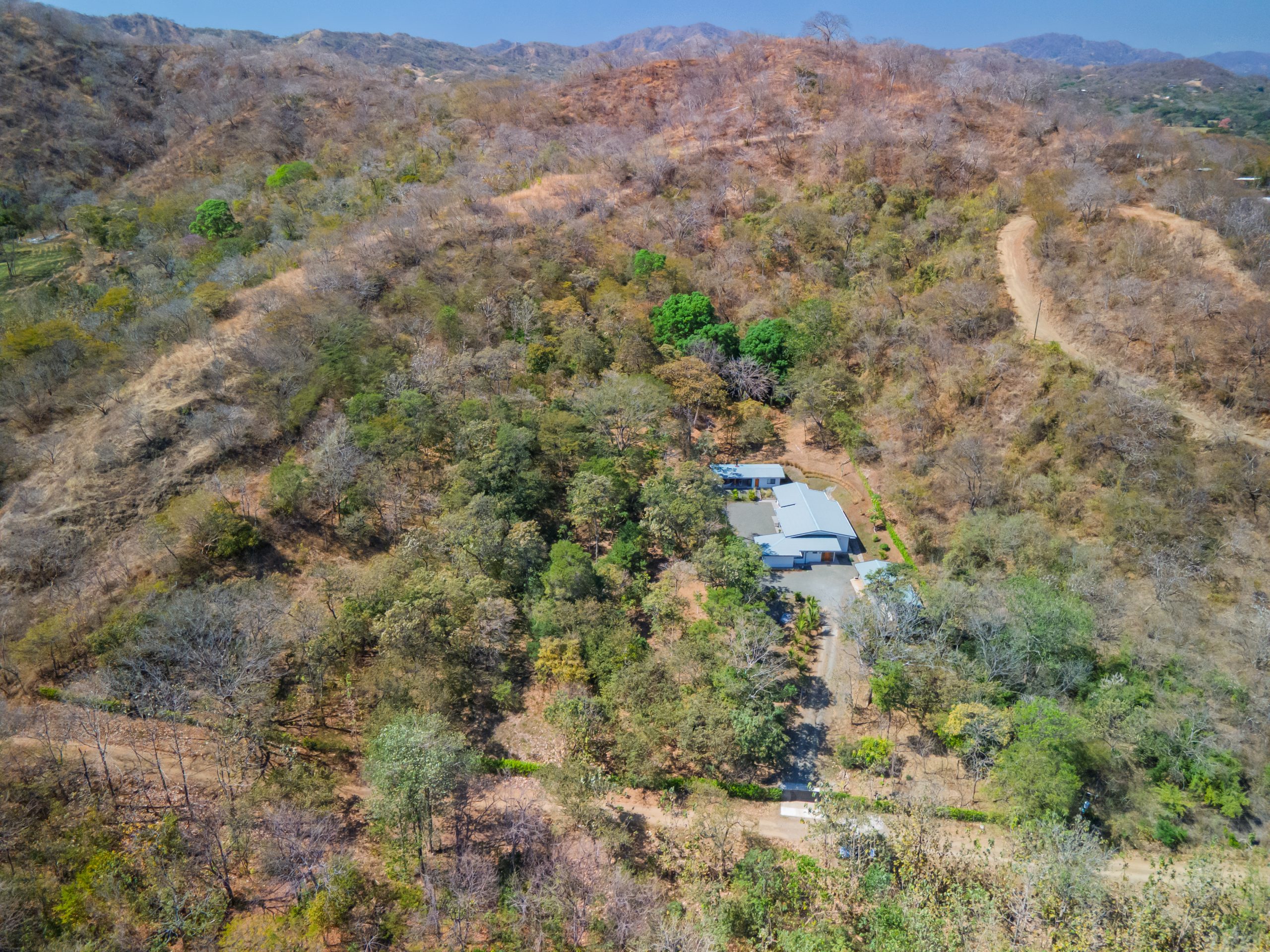
The point here isn’t a sales pitch. It’s that properties like this exist. They represent the type of inland option many buyers now weigh alongside — or instead of — beach-proximate homes. If Tamarindo access without tourist density is the lifestyle you’re after, properties in this category are where the comparison starts.
What to Check Before Buying Inland Property Near Tamarindo
If inland properties near Tamarindo Costa Rica are on your shortlist, know this. Larger, rural, and semi-rural parcels come with their own due diligence checklist. Inland property in Guanacaste can offer exceptional value. Before assuming anything about a property’s potential, verify the following with a qualified local attorney.
Confirm the Water Letter, or Carta de Agua
A Carta de Agua — the Costa Rica water letter — confirms legal access to potable water for a property. This document matters enormously, because water availability affects not only daily living but also building permits and any future improvements. Never assume water access; confirm it in writing.
Review the Uso de Suelo Before Assuming Expansion Potential
The Uso de Suelo is a municipal land-use document that establishes what can legally be built or operated on a property. That includes zoning designations, construction coverage limits, and environmental restrictions. If a listing’s appeal includes “room to expand,” the Uso de Suelo is where that potential is either confirmed or corrected. Review it before you plan, not after you buy.
Understand ASADA Water Access and Local Infrastructure
In many rural and inland communities in Guanacaste, water is administered by a local community water board known as an ASADA. This differs from the national utility. Understanding which entity serves a property, and the status of that connection, is a core piece of inland property due diligence. The same goes for road access, electricity, and internet service. These are often available in established inland communities, but still worth confirming property by property.
Verify Ownership Structure and Fee-Simple Title
For international buyers, Costa Rica property ownership is straightforward. Foreigners can own fee-simple property with the same ownership rights as citizens. Most inland property in this region is titled fee-simple rather than concession. That said, title status, ownership structure, and any liens or annotations should always be verified. A qualified Costa Rican attorney handles this as part of the purchase process.
One final note from experience. Inland properties can vary significantly from one parcel to another. Buyers should verify water access, zoning, road conditions, title status, internet availability, and expansion potential. Do this with a qualified Costa Rican attorney and a local real estate professional before relying on general area assumptions. What holds true for one hillside lot may not hold true for its neighbor.
Who Should Consider Living Near Tamarindo Without the Crowds?
Families Seeking More Space and Daily Privacy
Families often top the list. Larger lots mean room for kids, pets, gardens, and outdoor life. Tamarindo’s services and schools remain within a practical drive.
Retirees Wanting Coastal Access with a Quieter Home Base
For retirees, the appeal is the combination. Quiet, privacy, and natural surroundings at home. Restaurants, medical services, and social life stay available whenever they want them.
Remote Workers Needing Separation and Comfort
Remote workers benefit from properties with dedicated work space, especially homes with a casita or separate office. The loudest interruption in these surroundings is likely to be a howler monkey.
Investors Looking for Flexible Property Use
Investors and lifestyle buyers with an eye on flexibility are drawn to layouts that can adapt. Personal use now, guest hosting later, and rental income potential where regulations and market conditions support it.
Who Inland Living May Not Fit
Inland living may not be the right fit for everyone. Some buyers want to walk to the beach every morning or avoid driving entirely. Others want to live in the center of restaurants and nightlife. For those buyers, Tamarindo or another beach-proximate community may still make more sense. The inland option is strongest for people who value privacy, land, quieter surroundings, and access to the coast by car.
If you recognize yourself in the earlier profiles, take the hint. Homes near Tamarindo Costa Rica — but not in Tamarindo — deserve a place on your shortlist.
Conclusion: The Best of Both Worlds May Be Just Inland from Tamarindo
Tamarindo isn’t going anywhere as Guanacaste’s lifestyle and service hub, and that’s exactly why the areas around it matter. Living directly in the tourist center is one way to enjoy what the town offers. It’s no longer the only way, and for many buyers it’s not the best way.
Inland communities like Tempate and Portegolpe offer a compelling balance. Tamarindo’s amenities stay within reach, and several of the region’s best beaches sit nearby. The home base itself is defined by land, privacy, and flexibility rather than density. Homes in these communities show how buyers can have all of it at once — without living directly inside the tourist center.
For buyers who want Tamarindo close by but prefer more space and privacy at home, Tempate and Portegolpe deliver exactly that. You get Guanacaste’s coastal lifestyle without a home address inside the tourist center.
Explore Inland Living Near Tamarindo
Compare current inland options in Tempate and Portegolpe. Review area drive times, and walk through the due diligence for any parcel you’re considering. Contact Daniel Graika and the Costa Rica Real Estate CR team today.
CONTACT DANIEL GRAIKADaniel Graika, Licensed Realtor
+506 6092-9212
Frequently Asked Questions About Living Near Tamarindo Costa Rica Without the Crowds
Where can you live near Tamarindo Costa Rica without the crowds?
Why are buyers looking at inland properties near Tamarindo Costa Rica?
Is Tempate a good place to live near Tamarindo?
What is Portegolpe known for in Guanacaste real estate?
How far inland should buyers look from Tamarindo?
Are inland homes near Tamarindo better than beachfront homes?
Why are guest houses valuable in Guanacaste homes?
What should buyers check before buying inland property in Guanacaste?
What is a Costa Rica water letter?
What is Uso de Suelo in Costa Rica real estate?
Can foreigners own inland property in Costa Rica?
About This Guide
Area and lifestyle information in this guide reflects local knowledge and on-the-ground experience across Guanacaste’s North Pacific coast. Details are current as of 2026. Drive times, services, and property availability change over time and vary by exact location.
This content is provided as buyer education — not legal, tax, or investment advice. Conditions vary parcel by parcel. Confirm water access, land use, title, and income assumptions with a qualified Costa Rican attorney and a local professional before relying on any general statement.
 |
Daniel Graika Licensed Realtor · Costa Rica Real Estate CR Daniel helps buyers compare coastal and inland properties across Guanacaste’s North Pacific Coast. He guides international clients through community selection, due diligence, and titled fee-simple ownership in Costa Rica. View profile → |