
How to Retire in Costa Rica: Your Comprehensive 2025 Guide to “Pura Vida” Living
Dreaming of a vibrant retirement amidst lush landscapes, pristine beaches, and a welcoming culture? Many aspire to retire in Costa Rica, and for good reason. Indeed, it consistently ranks as a top global retirement destination. Its affordable, high-quality healthcare, thriving expat communities, and a significantly lower cost of living make it an attractive choice for those seeking to embrace their golden years in paradise. This guide, drawing on current 2025 data and practical insights, will equip you with the essential knowledge to make your dream retirement a reality.
Define Your Ideal Retirement Lifestyle
Costa Rica offers a diverse array of environments, consequently ensuring there’s a perfect fit for every preference. Your chosen lifestyle will significantly influence your location and budget. Many couples find they can live comfortably on $2,000–$3,000 per month, depending on their region and spending habits. If your goal is to retire in Costa Rica and live on a specific budget, understanding these regional differences is key.
Popular retirement regions for international buyers include:
- Guanacaste’s Gold Coast: Known for its sun-drenched beaches and active expat communities.
- Playa Potrero: Offers charming beach town vibes with a strong expat presence, ideal for social retirees.
- Tamarindo: A lively and social hub, perfect for those who enjoy an active lifestyle, surfing, and diverse dining options.
- Playa Flamingo: Boasts stunning coastal views and more upscale, resort-style living.
- Playa Hermosa: Provides a peaceful and scenic environment, perfect for a more laid-back retirement.
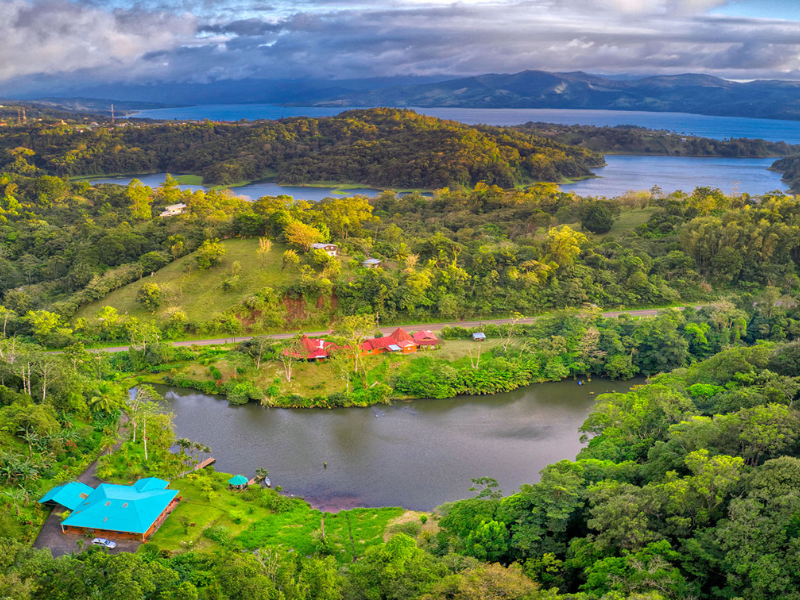
- The Lake Arenal Region (Central Highlands): Characterized by lush, green landscapes, a cooler climate, and a slower pace of life. This area is ideal for nature lovers, wellness enthusiasts, and those seeking tranquility, with activities like kayaking, hiking, and exploring volcanoes.
These regions offer retirees a diverse mix of options, from vibrant coastal living to the serene highlands. Therefore, consider visiting different areas to truly experience the atmosphere and determine what aligns best with your vision for when you retire in Costa Rica.
Understanding Residency Options for Retirees
Costa Rica provides straightforward pathways to residency for retirees. These programs are designed to facilitate your long-term stay. Crucially, it’s important to work with a reputable legal expert to navigate the application process smoothly when planning to retire in Costa Rica.
Here are the primary residency programs ideal for retirees:
- Pensionado Program (Pensioner):
- Requirement: Proof of a guaranteed lifetime pension or retirement fund income of at least $1,000 per month. This income must be transferred to a Costa Rican bank account monthly.
- Key Benefits: No minimum age requirement. Furthermore, this income can support a spouse and dependent children (under 25 or with disabilities) on a single application.
- Work Restrictions: Pensionado visa holders may establish a business or work as independent contractors, but they are generally not permitted to work as employees for a Costa Rican company until they obtain permanent residency.
- Residency Duration: Initially granted for two years, renewable, ultimately leading to eligibility for permanent residency after three years of temporary residency.
- Rentista Program (Fixed Income):
- Requirement: Proof of a stable and permanent income of at least $2,500 per month for a minimum of two years. This often involves demonstrating $60,000 in savings deposited into a Costa Rican bank, along with a commitment letter ensuring $2,500 is made available monthly for two years. Alternatively, consistent income from investments or business activities can qualify.
- Best for: Those without a fixed pension but with substantial savings or other reliable income sources.
- Work Restrictions: Similar to Pensionado, Rentista holders generally cannot work as employees.
- Residency Duration: Initially granted for two years, renewable, just as with Pensionado, leading to eligibility for permanent residency after three years of temporary residency. The $2,500 monthly income applies whether it’s a single applicant or a couple/family.
- Inversionista Program (Investor):
- Requirement: A direct investment of at least $150,000 USD into a Costa Rican business, real estate, or other approved projects. An investment of $100,000 USD in reforestation projects also qualifies.
- Benefits: Allows for the one-time tax-free import of household goods and up to two vehicles.
- Residency Duration: Initially granted for two years, renewable. Afterward, after three renewals (totaling six years as a temporary resident), you can apply for permanent residency.
It is essential to consult with trusted legal experts in Costa Rica to ensure all documents are properly authenticated, translated, and submitted according to current regulations. This is a critical step for anyone looking to retire in Costa Rica legally and smoothly.
Real Cost of Living in Retirement (2025 Data)
Costa Rica’s affordability remains one of its most attractive features. While exact costs vary by location and lifestyle, here’s what to expect based on 2025 data:
- Single Retiree: Can comfortably live on $1,600 to $2,000 per month.
- Retired Couple: Can live well on $2,000 to $2,500 per month, with a higher standard of living possible at $2,500 to $3,000 per month.
Typical Monthly Expenses Breakdown (for a couple, as an example):
- Rent: $750–$2,500 per month. (A furnished two-bedroom apartment in a comfortable area might average around $750, whereas luxury homes or rentals in prime beach areas will be significantly higher).
- Utilities: Around $100–$200 per month (includes electricity, water, and garbage collection; electricity costs vary greatly with AC usage).
- Internet (High-speed): $30–$60 per month.
- Cell Phones (two): $30–$50 per month.
- Groceries (local markets, “ferias”): $400–$500 per month for a couple by shopping at local markets and cooking at home. Eating out frequently will increase this.
- Dining Out: Varies. A meal at a local “soda” (inexpensive restaurant) is $6-$8. Mid-range restaurants are $10-$20 per person.
- Healthcare (Caja payment): Typically $60–$150 per month for most expats, based on reported income. This covers public healthcare.
- Transportation: $150 per month (if owning a car, considering higher import taxes and fuel costs). Public transport is much cheaper.
- Entertainment/Miscellaneous: $150–$300 per month (includes activities, occasional dining out, etc.).
Total Estimated Monthly Budget for a Couple: Approximately $2,240 (comfortable, but not extravagant).
As a result of these lower expenses, many retirees find their U.S.-based savings and retirement income stretch much further, allowing for a higher quality of life than they might experience back home when they retire in Costa Rica.
Should You Rent or Buy?
We often recommend renting first for at least 6-12 months. This allows you to:
- Explore different areas, climates, and communities.
- Get a feel for the local lifestyle.
- Understand market conditions and find the best fit before committing to a purchase.
However, buying can be a great long-term investment. Property values have steadily increased in desirable areas. Homes range widely from $75,000 to $300,000+. For secure transactions, work with reputable real estate professionals who offer full buyer representation and secure title services to protect your investment. Property taxes are very low, typically around 0.25% of the declared value annually. This decision is a personal one for those looking to retire in Costa Rica.
Healthcare, Banking & Daily Life Essentials
- Healthcare: Costa Rica boasts a highly regarded healthcare system.
- Public System (Caja Costarricense de Seguro Social – CCSS): All legal residents are required to contribute a low monthly fee (typically 9-11% of reported income) which covers comprehensive care, including doctor visits, prescriptions, and hospital stays. Nevertheless, wait times for specialist appointments or non-emergency procedures can be long.
- Private Healthcare: Modern private clinics and hospitals are available, offering faster service, shorter wait times, and often English-speaking staff. Costs are significantly lower than in the U.S. (50-70% savings on procedures). Many expats opt for a combination of public and private care, or they supplement with private insurance. A routine doctor’s visit out-of-pocket might cost $50-$100.
- Banking: You can open a local bank account once you have obtained temporary residency. This is essential for receiving your pension or income transfers.
- Utilities & Internet Setup: Setting up these services is relatively straightforward, and typically, local assistance is often available through real estate agents or relocation services.
- Transportation: Many retirees find they can get by with walking, biking, taxis, ride-sharing apps (like Uber in some areas), and affordable public buses. Owning a car offers more freedom but comes with higher costs due to import taxes and fuel.
- Language: While Spanish is the official language, English is widely spoken in expat communities and tourist areas. Still, learning some basic Spanish will greatly enhance your daily life and integration.
Financial Planning for the Long Haul
As of July 2025, the average Social Security monthly check for retired workers in the U.S. was approximately $2,005.05. If you have additional savings or retirement accounts (like a 401(k) or IRA), your money can go significantly further in Costa Rica.
- Taxation: Costa Rica operates on a territorial tax system, meaning income earned outside of Costa Rica (like U.S. Social Security, pensions, or investment income from abroad) is generally not taxed in Costa Rica. However, income derived from sources within Costa Rica may be subject to local taxes.
- Professional Advice: It’s highly recommended to consult with a Certified Financial Planner™ who specializes in international retirement planning. They can help you understand the implications of foreign residency on your U.S. taxes (e.g., FBAR and FATCA reporting) and optimize your financial strategy for living abroad.
What to Bring (And What to Leave Behind)
Shipping an entire household can be very expensive and may involve customs complexities. Many retirees choose to simplify and bring only essentials:
- Bring: Important documents (passports, birth certificates, marriage certificates, financial statements, medical records), personal mementos, essential medications, and high-value items that are difficult to replace.
- Consider Selling/Donating: Large furniture, major appliances (unless you find a place specifically designed for them), and items that are easily purchased locally.
Reputable international movers and customs experts can assist with the logistics, and moreover, many real estate companies offer comprehensive checklists to ensure nothing is overlooked.
Ready to Retire in Costa Rica?
With careful planning, diligent research, and the right support team, when you retire in Costa Rica it can be a smooth, joyful, and financially sustainable journey. At Costa Rica Real Estate CR, we offer:
- Personal relocation consultations
- Referrals to trusted attorneys and financial advisors
- Property search and buyer representation in popular regions like Guanacaste’s Gold Coast and the Lake Arenal Region.
- Ongoing support long after you’ve settled in
Let’s begin planning your vibrant next chapter in Costa Rica – where “Pura Vida” awaits!